Your Meals: The Food on your Fork
Food might feel simple: you go to the grocery store, grab what you need, and cook dinner. But the truth is, every bite you take is shaped by an enormous, mostly invisible system of protections and policies. From the safety checks that keep salmonella out of your chicken, to the subsidies that determine whether apples or chips are cheaper, to the trade rules that decide if there are avocados on the shelf — government programs touch your plate every single day.
When you hear about cuts to food safety and SNAP, you might starting wondering about things like…
How will I know which foods are safe to eat? How does a fruit or vegetable grown in another state, or even country, stay fresh and clean all the way to my local store? Who handled this steak all the way between the ranch and the refrigerator aisle? I heard that someone in another state got sick from peanut butter. Is the peanut butter in my state safe to eat? What about the SNAP Cuts? How many people does SNAP reach anyway? Does SNAP just hand out money to people? SNAP benefits are so small anyway, don’t recipients have to have other money for food? Will losing SNAP benefits affect people’s eligibility for other benefits programs like school lunches or home-heating assistance? How does it affect our town if people who live here lose their SNAP benefits? What if farm subsidies were unfairly weighted towards certain kinds of crops or inadequate to meet farmers needs? What if I don’t have the cash or credit to keep my farm running while we wait for the subsidies to arrive? What if we want to grow healthy food to sell directly in ours and nearby towns, will we qualify for subsidies?
Every year, about 48 million Americans get sick, 128,00 are hospitalized, and 3,000 die from food-borne illness. This, in a country that ranks in the top twenty globally for food safety, and claims to have the safest food supply in the world. The FDA, USDA and CDC all work together to keep us safe by promoting safe and clean farming, shipping and storage, tracing the origins of pathogens found in food, and keeping us informed about risks and recalls. But right now, not just one, but all three of these agencies are being cut. There have been cuts to tracking pathogens, cuts to food-safety inspections, and thousands of food-safety related jobs at the FDA and USDA.
In 2025, the FDA stopped tracking six dangerous pathogens—including listeria—through its FoodNet surveillance program, reducing its ability to spot emerging outbreaks quickly.
Inspections of facilities that import food into the US are at historic lows.
And, in July of 2026, the US is experiencing the largest outbreak of Cyclosporiasis – caused by a parasite once tracked through FoodNet – in our history.
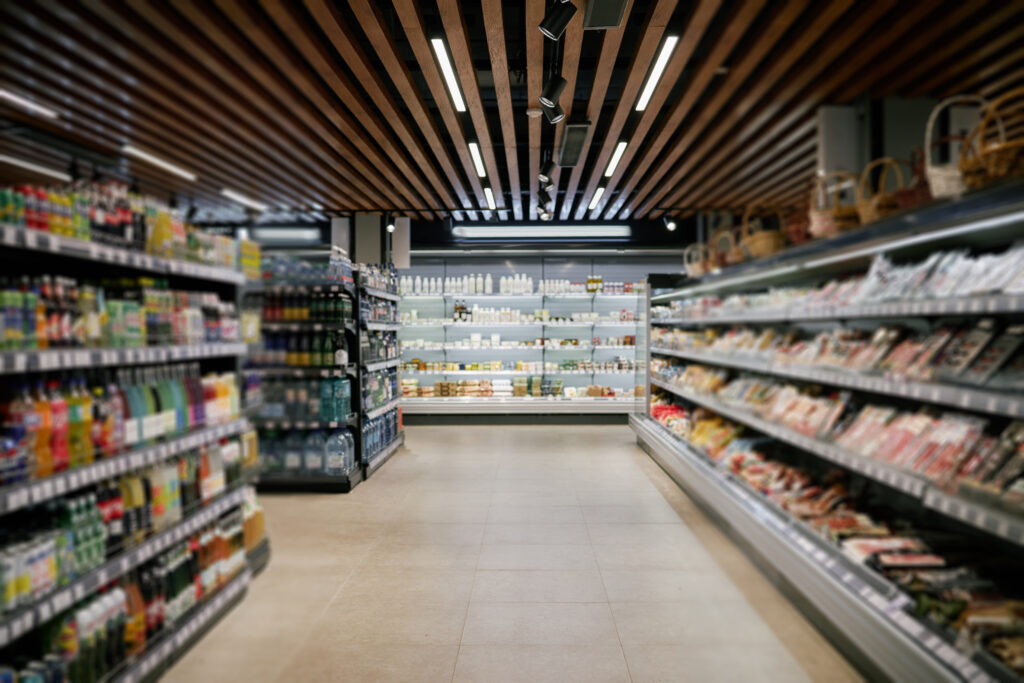
47 million Americans experience food insecurity. That’s millions of us who can’t afford enough food to lead a normal healthy life. It’s also millions more than the number of people who qualified for food stamps before the passage of the Big Beautiful Bill Act. And, those people who do manage to qualify, are expected to feed themselves for $6 a day. Even without food prices rising, it’s challenging to eat healthy on that budget. And, food prices don’t stand still. Under the new law, SNAP benefits would be much less likely to increase when groceries get more expensive, leaving families with less buying power at the checkout line.
The Congressional Budget Office estimates at about 2.5 million Americans per month will lose SNAP benefits. This doesn’t only hurt SNAP recipients, it hurts super markets, local stores and workers across the country.
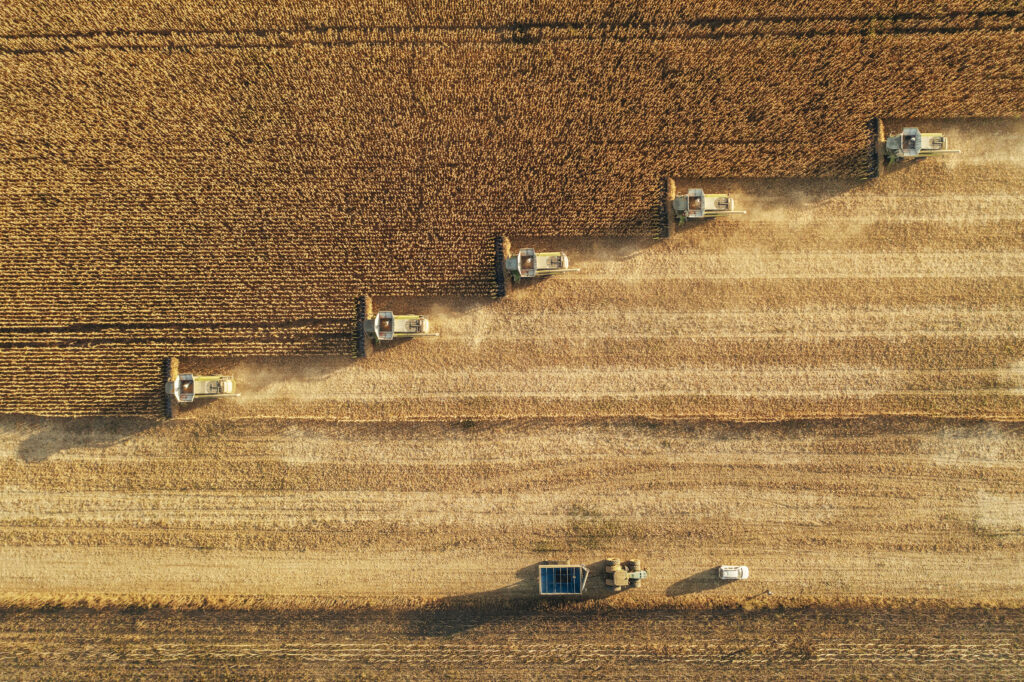
Most federal farm subsidies don’t go to small family farms. They are heavily weighted toward big commodity crops — corn, wheat, soy. Those are the ingredients that end up in animal feed, soda, and ultra-processed foods. Yet, commodity crop farmers receive more than 60% of all farm subsidies. At the same time, support for “specialty crops” like fruits, vegetables, and nuts is low. Even a billion dollars in subsidies that once went to farmers who grew fresh food for school lunches has been eliminated. Meanwhile, we import 60% of our our fruit and 40% of our vegetables. What this means for Americans, in simple terms, is that the food that’s bad for you stays cheap, while the food that’s good for you gets more expensive.
According to the Cato Institute, more than two-thirds of subsidy dollars go to the largest 10% of farms. Because we import so many of our fruits and vegetables, trade policy shifts and transportation cost increases, leave us paying more at the checkout line.
Your Education
Your Security