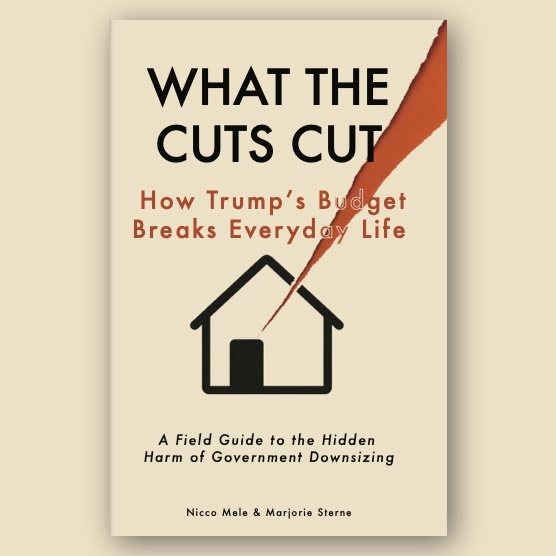
The USA has the highest cost of higher education of any country in the world. 70% of college students graduate with debt. And now, cuts in funding for education place even safe elementary education is at risk…
Your Education: School Days & Student Loans
You might not think about the Department of Education, Head Start, Pell Grants or Student Loans everyday. But we all wonder things like…
What if I can’t afford childcare even with my full time job? What if there’s no one in my family who has time to read and play with my toddler? Does my kid have special needs, or is he just a normal four year old? If the Department of Education closes, how will our town fund public schools? If people get vouchers that they can use at any school they want, would there still be public schools? How would my special-needs child get education if the Department of Education shuts down? We are Jehovah’s Witnesses, will there be a school that respects our choice of religion or will our kids be picked on at school? What if we can’t afford to send our kids to college? Our daughter wants to be a nurse, but the education and training would cost a lot in relation to what she would be able to get paid doing the job. Should she still do it? What’s going to happen to our state school if both student loans and research grants are cut? Will it still be able to offer in-state tuition to our kids? Our son is working while in college, but he still needs his grants and loans to make ends meet. How will the changes to these programs affect him? I want to go to college, but I’m worried that I won’t be able to pay back the loans..
The Department of Education is not just a source of funds for schools. It is the primary protector of students’ rights not to be bullied or singled out for things like religion, gender, race or a disability. Without the Department of Education, the tone and quality of education will change. The basic safety of kids in school could be as risk. And, the rights of all kids to be treated equally in school may weaken. These risks may increase if education vouchers – to spend at private schools – replace public education funds.
Civil rights enforcement in public schools ensures that every student gets a fair shot at the same opportunities—from textbooks and tutoring to advanced classes and extracurricular activities and that school discipline and policies are applied fairly, not based on who a student is.
We already have the most expensive college education anywhere in the world. And, changes to student loans will make it that much harder for kids to earn a college degree. Ending subsidized student loans means that interest will start accruing on student debt before they enter the workforce. Caps to the amounts of federal student loans will drive more students into the higher-interest and less regulated private loan market. It could also force kids to forgo a college degree, or a degree from the best college for their skills.
70% of college students graduate with debt. More than half of graduate students graduate with debt exceeding $70,000. People who become teachers, nurses, social workers, and other public servants could find themselves carrying more student debt for longer.
94,000 schools across the country, and 28 million children a day, participate in the National School Lunch Program. For many of those kids, school lunch is the only reliable meal of the day. Cuts to SNAP mean that fewer families will qualify automatically for school lunches—putting more kids at risk of hunger during the school day, which can affect focus, learning, and health.
Nearly 1 in 8 children in America lives in a household that struggles to put enough food on the table. Hungry children are much more likely to fall behind in school, including repeating a grade.
Head Start provides early learning, meals, disability services, and family support. It serves children, including vulnerable children who are in foster care, have disabilities, and those from families experiencing homelessness. Not many other preschools can provide this level of support. Private preschools often lack the resources or expertise to meet these needs. And, their costs, typically $10,000 to $15,000 per year, put preschool out of reach for many families.
Head Start serves over 800,000 children from low-income families. Head Start also supports almost 250,000 jobs.
Your Transportation
Your Meals